

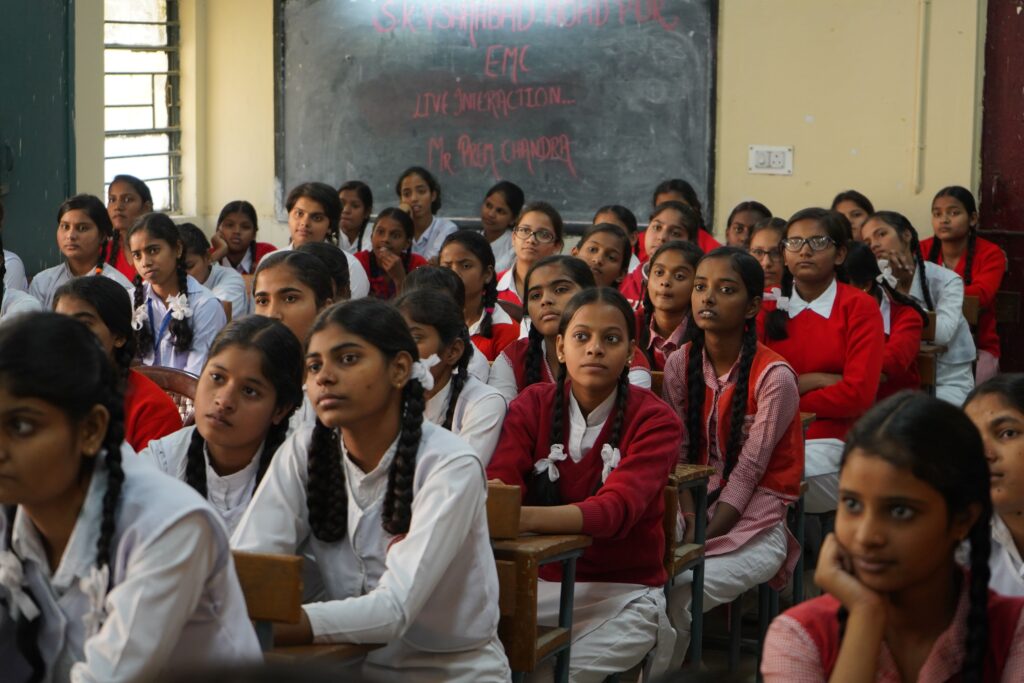
Education access remains a cornerstone of India’s development journey. While urban centers thrive, rural and marginalized communities often struggle with limited opportunities. Initiatives like Maha Clusters bridge this divide by offering vocational training, technical education, and industry exposure, ensuring equitable access to learning and employment pathways.
Education is the passport to the future for every child.
Key Takeaways
Expanding education access empowers rural youth, bridges skill gaps, and ensures equitable opportunities for sustainable livelihoods.
India’s education system often fails to provide practical exposure, leaving graduates unprepared for industry demands. Maha Clusters addresses this challenge by offering vocational and technical training programs that complement academic learning. With partnerships across ITIs, polytechnics, and engineering colleges, the initiative ensures that students from diverse backgrounds gain access to industry-aligned training. Rural and economically weaker sections are prioritized, ensuring inclusivity and equity. By focusing on hands-on learning, apprenticeships, and entrepreneurship modules, these programs prepare youth for real-world challenges. The impact is profound—students not only secure jobs but also contribute to strengthening MSMEs and regional economies. Expanding education access through such initiatives ensures that no community is left behind in India’s growth story.
Conclusion
Education access must go beyond classrooms. By integrating vocational training and industry exposure, initiatives like Maha Clusters ensure equitable opportunities, empowering rural and marginalized youth to thrive in India’s evolving economy.